ISO 27001 Certification: Ensuring Information Security Compliance
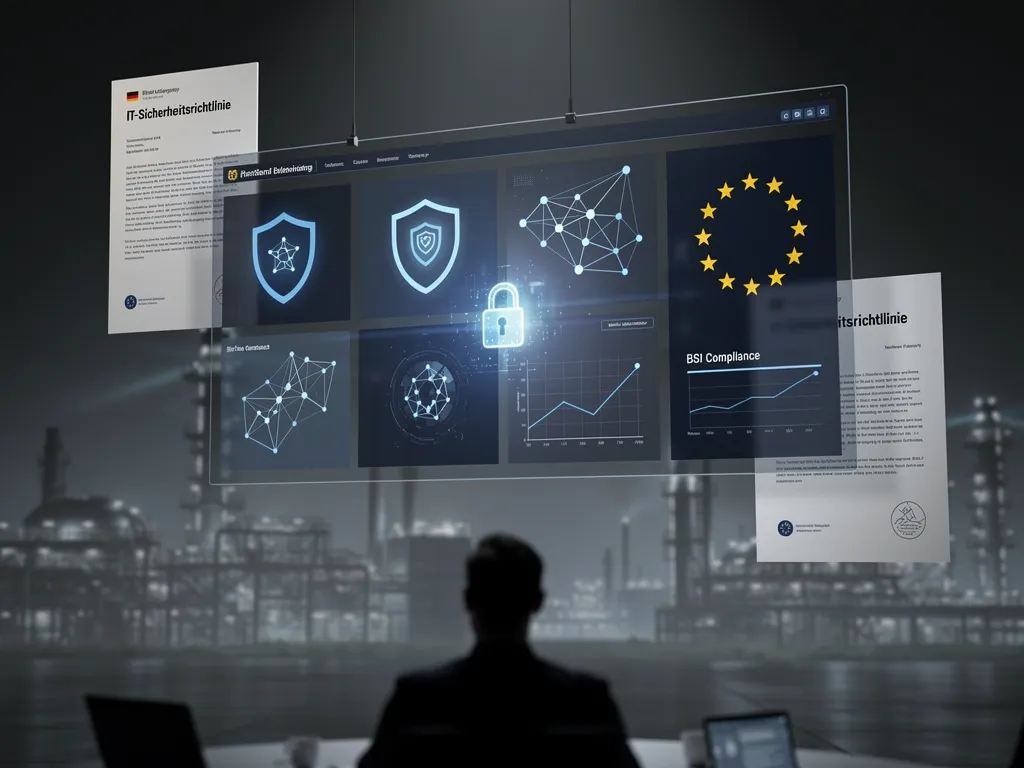
The ISO 27001 certification is a widely recognized standard that helps organizations effectively manage and protect their sensitive information assets. By implementing this framework, businesses can demonstrate their commitment to information security and gain a competitive advantage in the market.
This certification provides a comprehensive approach to risk management, ensuring that critical data is safeguarded against various threats, such as cyber-attacks, data breaches, and natural disasters. By adopting ISO 27001, organizations can enhance their overall security posture and build trust with their clients and stakeholders.
Streamlining Audit Processes: Leveraging Continuous Improvement
Navigating the complexities of regulatory audits can be a daunting task for many organizations. However, by implementing a systematic approach to audit management, businesses can streamline their processes and drive continuous improvement.
This section will explore effective strategies for implementing audit recommendations, ensuring that the necessary corrective actions are taken to enhance compliance and operational efficiency. By embracing a culture of continuous improvement, organizations can stay ahead of compliance requirements and minimize the risk of non-conformities.
Achieving Operational Excellence with ISO 9001 Certification
The ISO 9001 quality management system is a powerful tool that can help organizations enhance their operational efficiency and drive cost savings. By implementing this globally recognized standard, businesses can optimize their processes, improve product and service quality, and gain a competitive edge in the market.
This section will explore the tangible benefits of ISO 9001 certification, highlighting how it can help companies reduce waste, streamline workflows, and enhance customer satisfaction. By understanding the advantages of this certification, organizations can make informed decisions and invest in strategies that support their long-term success.
Navigating the Ethical Challenges in IT Forensics
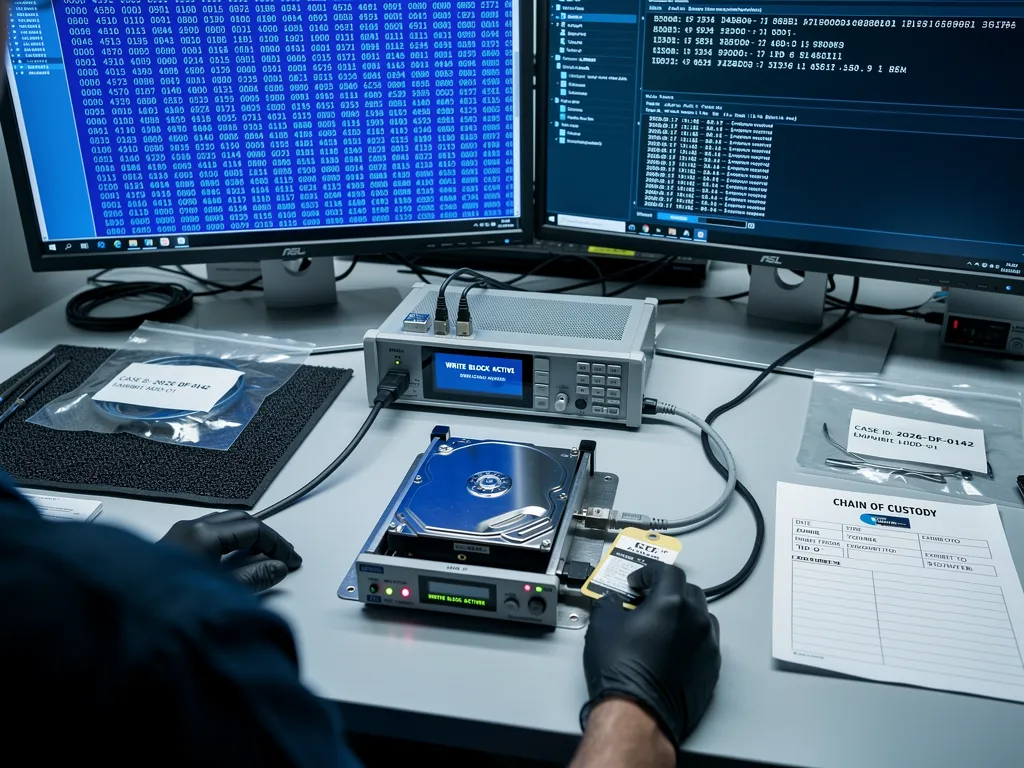
The field of IT forensics is a critical component of information security, as it helps organizations investigate and respond to cyber incidents. However, this domain also presents various ethical dilemmas that professionals must navigate with care and consideration.
This section will delve into the ethical considerations that IT forensics experts must address, such as data privacy, investigative techniques, and the preservation of evidence. By understanding these ethical complexities, organizations can develop robust policies and procedures that uphold the integrity of their IT forensics practices and maintain the trust of their stakeholders.